Faisal Mir
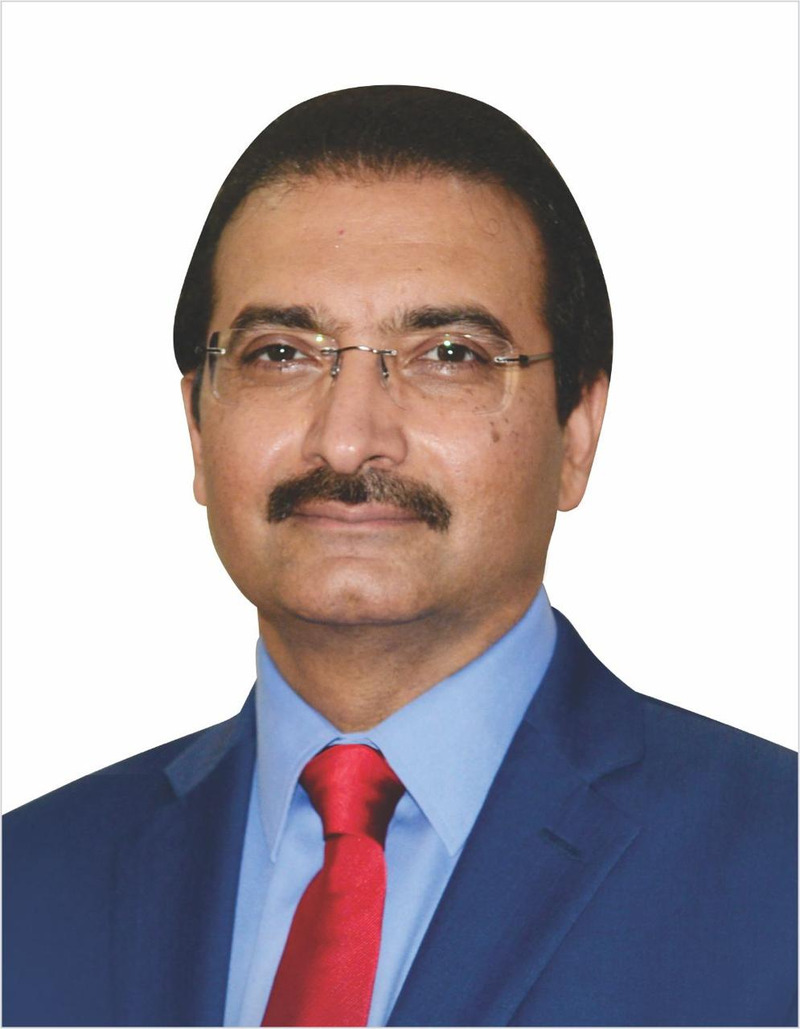
فیصل میرPresident, PPP Lahore Division (Urban). Appointed by Chairman Bilawal Bhutto Zardari in January 2026.
Quick facts
- NameFaisal Mir فیصل میر
- Born14 August 1967, Lahore
- FatherProfessor Waris Mir, journalist and academic
- EducationB.Com, Hailey College of Commerce; MA Public Administration, University of the Punjab
- DesignationPresident, PPP Lahore (Urban)
- AppointedJanuary 2026, by the chairman
- General SecretaryDr. Ayesha Shaukat
- Student politicsOrganised the PSF at Hailey College, 1990
Leading the party in its birthplace
Faisal Mir serves as President of the Pakistan Peoples Party Lahore Division (Urban), appointed by Chairman Bilawal Bhutto Zardari in the divisional reorganisation announced in January 2026. Dr. Ayesha Shaukat serves alongside him as General Secretary. Together they lead the tanzeem across the ten towns and 433 union councils of the division, working under the party's Central Punjab organisation.
Lahore is where the Pakistan Peoples Party was founded, and rebuilding it here has been the assignment given to him by the chairman.
His vision
نوجوانوں کو روزگار اور ہر مزدور کو سوشل سیکیورٹی Employment for the young, social security for every worker
This is the promise the division president puts at the centre of his politics, and it is the party's founding creed brought up to date. Zulfikar Ali Bhutto asked for roti, kapra aur makaan. In a city where the young are educated and idle, and where the labourer who builds it has no protection when he is injured, sick or old, the same demand is heard today as work and security.
Employment for the young means a Lahore where a degree leads somewhere: apprenticeships and skills training that industry actually recognises, public investment that creates jobs rather than contracts, and an end to the arrangement in which who your family knows counts for more than what you can do. The young people of this city are its largest asset and its most wasted one.
Social security for every worker means the mazdoor is counted. Registration for the workers who are currently invisible, a minimum wage that is enforced rather than announced, pensions and injury cover that reach the daily wager and the domestic worker, and healthcare that does not bankrupt a family the first time it is needed. Security is not charity. It is what a worker has already earned.
The tanzeem is how that promise is kept in practice. A union council organisation that knows every street can register workers, take up cases, and hold the powerful to account in a way that no announcement from a podium ever will.
The Mir family and the Bhutto ideology
He was born in Lahore on 14 August 1967, Pakistan's twentieth Independence Day, into a family that paid a price for its convictions. His father, Professor Waris Mir, taught journalism at the University of the Punjab for over twenty years and chaired its Mass Communication department. Through the martial law of General Zia-ul-Haq he wrote in defence of democracy, freedom of expression and the rights of women, under censorship and under threat, and he died in 1987 at the age of forty-eight. Pakistan awarded him the Hilal-e-Imtiaz posthumously in 2013.
Faisal Mir came to the Pakistan Peoples Party as a student and has stayed with it since, holding to the ideology of Zulfikar Ali Bhutto. He was educated at Government Central Model High School, took his B.Com at Hailey College of Commerce and an MA in Public Administration from the University of the Punjab. In 1990 he organised the Peoples Students Federation at Hailey College. He is a businessman by profession.
Rebuilding the Lahore organisation
In March 2026 he set out the timetable for rebuilding the party in the city: union council and ward structures in place by 26 April, and the full organisational restructuring complete by 26 June. The targets were 22,000 office bearers and 100,000 workers enrolled across Lahore, with the best-performing town chapter to be received by the Co-Chairman and the Chairman.
He has also committed the party to contesting the coming local body elections in every union council of Lahore, rather than in the handful of seats where the PPP is already strong. It is a deliberately hard promise, and it only becomes possible if the tanzeem reaches every ward first.